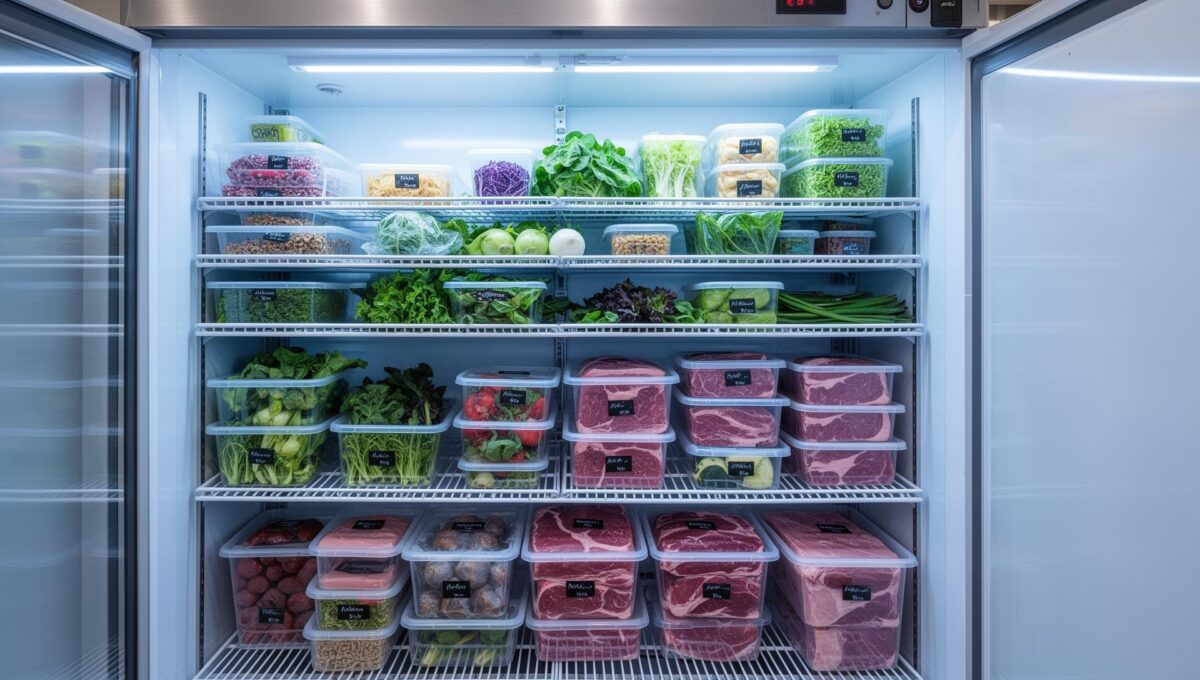
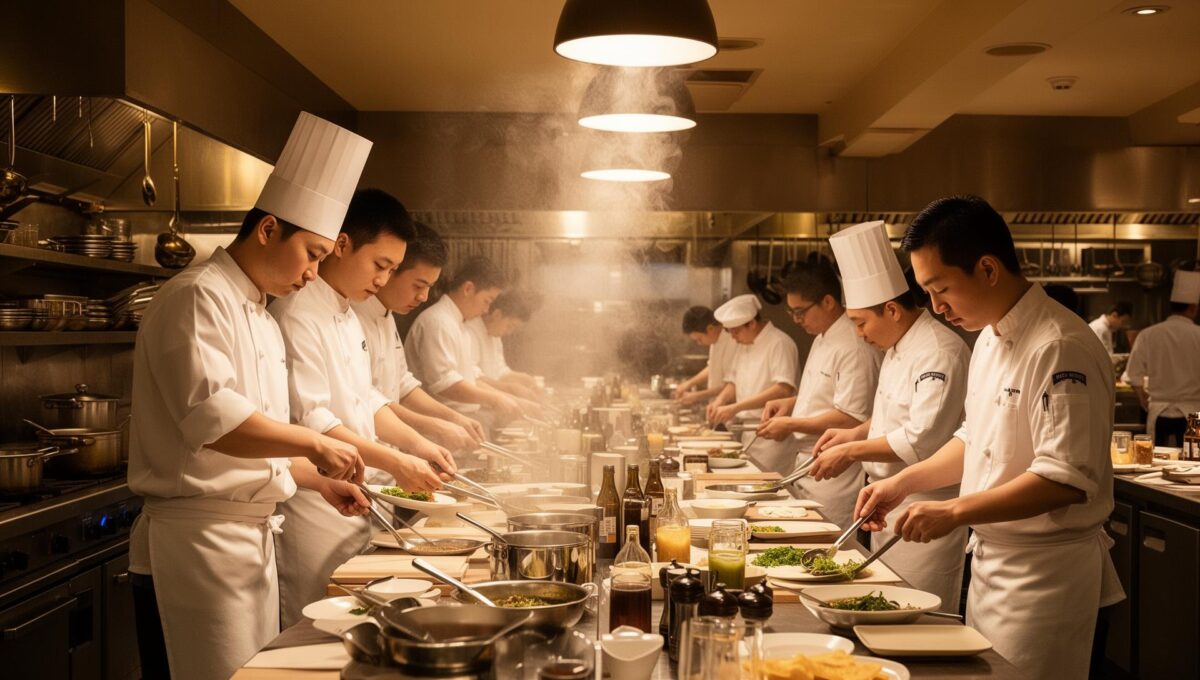
Rapid growth is often celebrated in the restaurant industry. New locations, expanded menus, and increased headcount feel like success.
But growth creates financial strain long before it creates stability. Restaurants that scale too quickly often experience margin erosion, cash pressure, and leadership burnout.
In this article, we’ll examine the hidden financial costs of scaling too fast and explain why disciplined growth preserves enterprise value.
Growth Consumes Cash Before It Generates It
Expansion requires upfront investment.
Build-outs, hiring, training, inventory, and marketing pull cash forward months before revenue stabilizes.
Margin Dilution Happens Quietly
Early-stage locations often underperform expectations.
Learning curves, staffing inefficiencies, and execution gaps reduce margins across the entire group.
Complexity Increases Faster Than Control
Each additional location multiplies complexity.
Without scalable systems, operators rely on manual workarounds that obscure performance.
Leadership Bandwidth Becomes the Bottleneck
Growth stretches leadership capacity.
Decision fatigue, reactive management, and loss of focus on core metrics reduce effectiveness.
External Capital Raises the Stakes
Debt and investor capital amplify consequences.
Missed projections, covenant pressure, and reduced flexibility increase downside risk.
Why Slower Growth Often Wins
Disciplined growth compounds.
Restaurants that expand deliberately refine systems, protect margins, and maintain optionality.
Clarity Enables Patience
Pressure to grow often comes from emotion, not data.
Financial clarity allows leaders to pause, evaluate readiness, and move forward with confidence.
Final Thought
Scaling is not a race. Restaurants that respect timing protect value, preserve culture, and build businesses that last.
References
Harvard Business Review. The risks of rapid scaling.
National Restaurant Association. Growth and expansion insights.
Restaurant365. Multi-unit growth best practices.